Achieving peak air conditioning (AC) efficiency is essential not only for maintaining a comfortable indoor environment but also for reducing energy consumption and lowering utility bills. While selecting an energy-efficient AC unit is crucial, professional installation plays an equally vital role in ensuring optimal performance. Here are some expert tips to help you achieve maximum efficiency from your AC system through proper installation.
Firstly, it is important to choose the right size of the AC unit for your space. An undersized unit will struggle to cool your home effectively, while an oversized one will cycle on and off too frequently, leading to increased wear and tear as well as higher energy consumption. A professional installer can perform a load calculation based on factors like room size, insulation levels, and local climate conditions to recommend the ideal unit size.
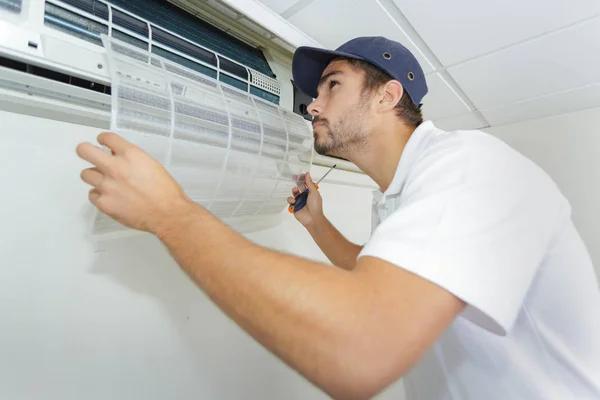
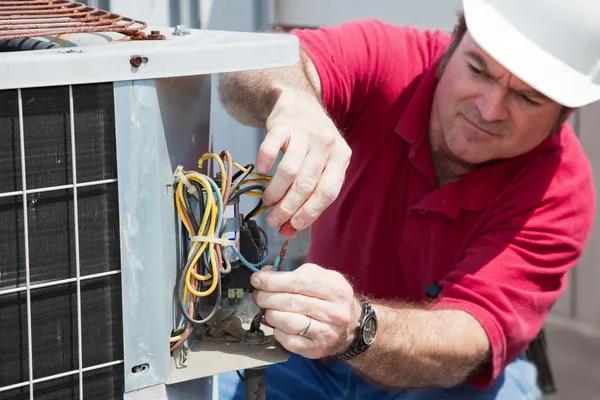
Proper placement explore the wealth of knowledge indoor and outdoor units significantly impacts the system’s efficiency. The outdoor condenser should be installed in a shaded area away from direct sunlight and obstructions that could impede airflow. Ensuring adequate clearance around the unit allows heat to dissipate efficiently. Indoors, avoid placing the evaporator near heat sources like ovens or direct sunlight through windows as this can make cooling less effective.
Sealing ducts properly during installation is another critical step towards achieving peak efficiency. Leaky ducts can lead to significant energy losses by allowing cooled air to escape before reaching its intended destination. Professionals use mastic sealant or metal tape instead of duct tape for durable sealing that prevents leaks.
The refrigerant charge must be accurate for efficient operation; too much or too little refrigerant affects cooling capacity and increases energy usage. Certified technicians have the expertise necessary to ensure that refrigerant levels are precisely calibrated according to manufacturer specifications.
Another key aspect of professional installation involves setting up a programmable thermostat correctly. This device helps regulate temperature settings automatically based on your schedule, optimizing energy use without sacrificing comfort when you’re home or asleep versus away at work or school.
Finally, consider zoning systems if you have larger homes with multiple rooms requiring different cooling needs simultaneously—this allows independent control over each area’s temperature settings rather than relying solely on one central thermostat location which may not reflect actual conditions throughout all spaces evenly distributed within larger buildings/homes alike!
In conclusion: investing time upfront into hiring qualified professionals who follow industry best practices ensures long-term benefits such as improved comfort levels indoors alongside reduced operational costs associated directly linked back towards running inefficiently installed equipment setups otherwise!