When it comes to higher energy bills related to air conditioning systems, two common issues often arise: refrigerant undercharge and poor airflow. Both problems can significantly impact system efficiency and operating costs, but understanding which one causes a greater increase in energy consumption requires examining how each factor affects the cooling process.
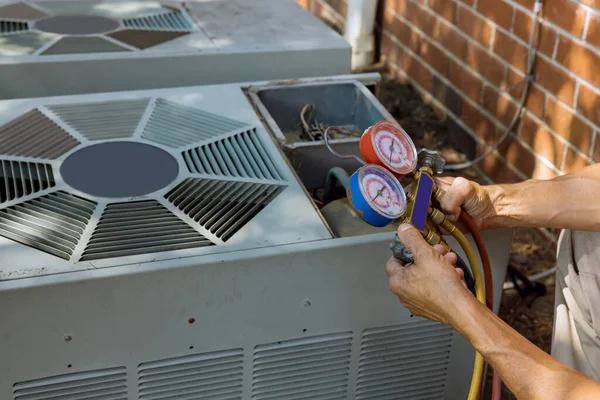
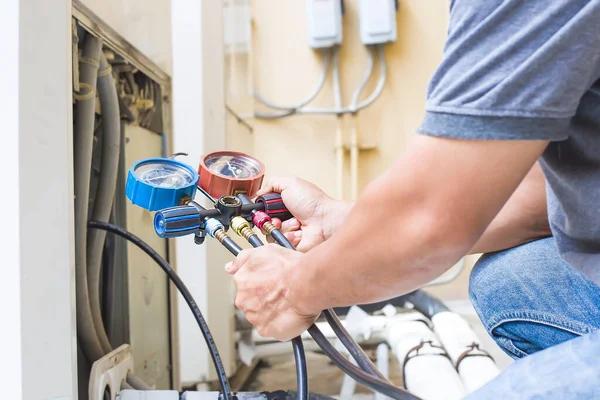
Refrigerant undercharge occurs when there is insufficient refrigerant in the system. The refrigerant is responsible for absorbing heat from indoor air and releasing it outside, enabling effective cooling. When the amount of refrigerant is too low, the system struggles to transfer heat efficiently. This inefficiency forces the compressor to work harder and run longer cycles to reach learn all the details desired temperature. As a result, energy usage increases substantially because the compressor consumes most of an air conditioner’s electricity. Additionally, low refrigerant levels can lead to higher pressure within certain parts of the system, potentially causing damage over time and further reducing performance.
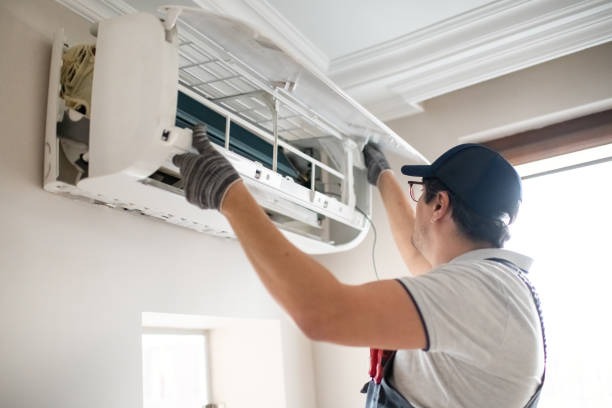
On the other hand, airflow problems usually stem from clogged filters, blocked vents, or malfunctioning fans that restrict or reduce air movement through the evaporator coil and ductwork. Proper airflow is critical because it ensures that warm indoor air passes evenly over the coil where heat exchange happens. If airflow is limited, less warm air reaches the coil at any given time; this reduces overall cooling capacity and causes uneven temperatures inside spaces being cooled. To compensate for inadequate airflow, thermostats may signal longer run times or more frequent cycling of equipment-both leading to increased electricity consumption.
Comparing these two issues in terms of their impact on energy bills reveals some key differences. Refrigerant undercharge directly impairs heat transfer efficiency within a closed loop cycle essential for cooling performance; this inefficiency typically results in noticeably higher power demands by compressors running continuously or repeatedly without achieving target temperatures quickly enough. In contrast, restricted airflow primarily limits how effectively cooled air circulates indoors but does not necessarily cause excessive strain on compressors unless severe blockages exist.
Energy loss due to undercharged refrigerants tends to be more significant because compressors are among HVAC’s largest consumers of electricity; they face mechanical stress when compensating for reduced coolant volume during operation cycles. Meanwhile, poor airflow increases fan motor workload somewhat but usually has a smaller effect on total power draw than compressor overload caused by refrigerant shortages.
In conclusion, while both refrigerant undercharge and restricted airflow contribute to elevated energy bills by diminishing overall system efficiency, an undercharged refrigeration circuit generally leads to higher electrical consumption compared with typical airflow issues alone. Addressing either problem promptly improves comfort levels while preventing unnecessary utility expenses over time through optimized equipment function and longevity maintenance strategies.