Closing air vents in unused rooms is a common practice among homeowners looking to save on energy bills or improve comfort in frequently used spaces. However, while it may seem logical to block airflow to rooms that are not occupied, doing so can actually have unintended consequences on the overall performance of your HVAC system. Understanding why closing air vents can impact HVAC efficiency is essential for maintaining a balanced, functional heating and cooling system.
HVAC systems are designed to distribute air evenly throughout a home based on a specific airflow balance. When vents are closed in certain rooms, it disrupts this balance, causing increased air pressure within the ductwork. This elevated pressure forces the HVAC system to work harder to push air through the remaining open vents. As a result, the system’s blower motor experiences added strain, potentially leading to increased energy consumption and premature wear and tear on components.
Another important factor is that closing air vents does not stop the HVAC system from conditioning the air in those closed-off rooms. The system continues to circulate air through the ductwork, but with blocked vents, the conditioned air has fewer pathways to escape. This click here can cause air leakage through gaps, seams, or poorly insulated areas in the ducts, which reduces overall efficiency and may allow conditioned air to escape into unconditioned spaces such as attics or crawl spaces. Consequently, the energy savings expected from closing vents may not materialize as planned.
Additionally, closing air vents in unused rooms can create uneven temperature distribution throughout the home. Rooms with open vents may experience stronger airflow and more consistent temperatures, while closed rooms can become too hot or too cold. This imbalance can affect the comfort levels in your living spaces and force the HVAC system to cycle more frequently to maintain desired temperatures, further increasing energy use and wear on the system.
It is also worth noting that some HVAC systems rely on a minimum airflow to operate safely and efficiently. When vents are closed, the reduced airflow can cause issues such as freezing of the evaporator coil in air conditioning units or overheating in heating systems. These conditions can lead to costly repairs and reduced system lifespan.
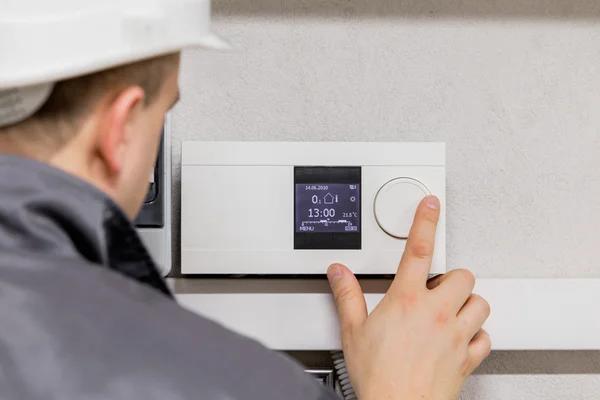
Instead of closing vents, consider alternative methods to improve energy efficiency and comfort. For instance, sealing ducts, adding insulation, or using programmable thermostats can help regulate temperature without disrupting airflow. If certain rooms are rarely used, adjusting the thermostat settings or using zone control systems can be a better solution to avoid the negative impacts of closed vents.
In summary, while closing air vents in unused rooms may seem like a quick fix for energy savings, it can negatively affect HVAC system performance, increase energy consumption, and reduce comfort. Maintaining proper airflow and balanced distribution is key to optimizing your HVAC system’s efficiency and longevity.